
Source- LinkedIn
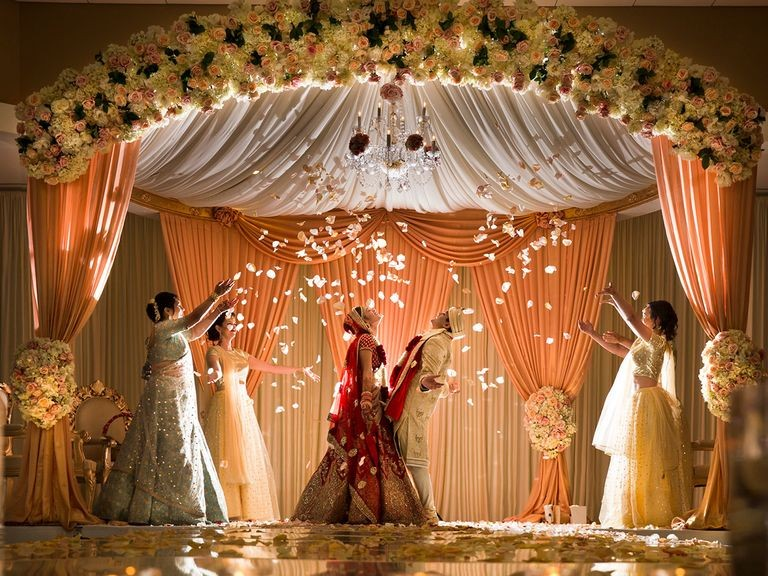
Weddings in India are no less than grandeur celebrations, which include kaleidoscopic decorations, ancient cultures, traditions and rituals. Some of them vary in the different regions and beliefs.
One of the key traditions of Indian weddings is the multi-day celebration, and it lasts a week long. These events involve various rituals, such as the haldi, mehendi, and sangeet, including the main wedding ceremony. Each of them has its own significance and meaning. For instance, the haldi ceremony involves applying turmeric paste on the bride and groom’s body to ward off evil spirits. On the other hand, mehendi involves applying intricate henna designs on the bride’s hands and feet.
Among all of this glimmer and shimmer, elaborate Indian weddings are bound by key traditions that last up to a week. Rituals like bridal showers, haldi, mehendi sangeet, Ganesh puja, and wedding days have their own value and importance. Each of them is distinct from each other.
There is another significant aspect that Indin weddings are incomplete without- wedding attire and wedding jewellery. Families of Brides, as well as grooms, spend a lot on jewellery and clothing, such as designer sarees or lehengas, sherwanis etc. As traditional attires, these are embellished with intricate work of embroidery and jewels. Jewellery that includes neckpieces, earrings, bangles, bracelets, and rings are often made with precious metals like gold and platinum and stones like diamonds. This article will focus on understanding the cultural significance of extravagant Indian weddings.
Why Are Indian Weddings So Elaborate And Lavish: A Boon For The Country’s GDP
Indian weddings have become a huge business, including service providers like photographers, caterers, wedding planners, designers, stylists and many more. Moreover, these weddings are enough to generate a remarkable amount of revenue. Apart from the service providers, accommodation and hospitality arrangements are equally important. Some wedding planning demands a full booking of a resort or a hotel so that the guests can stay up until the reception party. What about the food industries? Well, the couple’s family spend time arranging lavish exotic buffets and cuisine.
This trend has led to a multibillion-dollar industry, with businesses specializing in everything from wedding planning to jewellery and clothing. The wedding industry has also created employment opportunities for thousands of people in India, contributing to the country’s GDP.
Weddings in India are no less than grandeur celebrations, which include kaleidoscopic decorations, ancient cultures, traditions and rituals. Some of them vary in the different regions and beliefs.
One of the key traditions of Indian weddings is the multi-day celebration, which can last up to a week or more. These celebrations involve various rituals and ceremonies, such as the haldi, mehendi, sangeet, and the main wedding ceremony, each of which has its own significance and meaning. For instance, the haldi ceremony involves applying turmeric paste on the bride and groom’s body to ward off evil spirits, while the mehendi ceremony involves applying intricate henna designs on the bride’s hands and feet.
Among all of this glimmer and shimmer, Indian weddings are bound by key traditions that last up to a week. Rituals like bridal showers, haldi, mehendi sangeet, Ganesh puja, and wedding days have their own value and importance. Each of them is distinct from each other.
There is another significant aspect that Indin weddings are incomplete without- wedding attire and wedding jewellery. Families of Brides, as well as grooms, spend a lot on jewellery and clothing, such as designer sarees or lehengas, sherwanis, etc. As traditional attires, these are embellished with intricate work of embroidery and jewels. Jewellery that includes neckpieces, earrings, bangles, bracelets, and rings are often made with precious metals like gold and platinum and stones like diamonds.
Extravagance in Indian weddings has become a huge business, including service providers like photographers, caterers, wedding planners, designers, stylists and many more. Moreover, these weddings are enough to generate a remarkable amount of revenue. Apart from the service providers, accommodation and hospitality arrangements are equally important. Some wedding planning demands a full booking of a resort or a hotel so that the guests can stay up until the reception party. What about the food industries? Well, the couple’s family spend time arranging lavish exotic buffets and cuisine.
Apart from these, elaborate Indian weddings are a great source of revenue and employment that has a considerable impact on the Indian GDP. KPMG published a report that says India’s wedding industry is worth over 50 billion dollars and tends to rise high each year, annually around 25%. As a result, it contributes a major part to the country’s economy.
Moreover, luxury Indian weddings industry also has a wave effect on other aspects of the economy, such as the transport department, amusement, and fashion. For example, there is a rising demand for luxury cars and helicopters during the season, while fashion designers and jewellers witness a surge in need for their products.
Changing Trends and Evolving Traditions: The Future
This issue analyses how Indian weddings are growing with diverse trends and contemporary sensibilities. While extravagance in Indian weddings are soaked in ritual and cultural traditions, there is also the latest trend to include modern features and personalization.
One of the fundamental trends in Indian weddings is the transition towards more personal and intimate festivals. Couples are deciding to have less celebrated weddings focusing on significant and personalized details rather than grand and glorious affairs. This is an entirely new direction that has been particularly evident in the wake of the COVID-19 pandemic. Experts are confirming social distancing and limitations are the main reason that have forced families to reanalyze their wedding plans.
Moreover, the involvement of technology in elaborate Indian weddings, from live streaming of the ceremonies to utilizing social media for wedding planning and communication, has increased the possibilities. This has created the industry more unrestricted to a broader audience numbers. As a result, weddings are planned in a more organized and efficient way.
India Weddings: Fosterage of Family Bonds and Community Ties
A wedding in India not only signifies the marriage between two people, but it strengthens the bonding between families. The communities come together to celebrate joy and journeys. As Indian weddings are multi-day affairs and involve diverse rituals thoroughly, family members engage themselves. From Ganesh puja, mehendi, and sangeet to the main ceremony of the wedding, these events allow families and friends to join, share, and enjoy together. Moreover, extravagance in Indian weddings can be preserved and passed on to traditions and cultural values through generations.
These events are associated with the profound cultural significance of Indian wedding celebrations and historical origins and reflect the diversity of India. Family members participate in weddings and perform customs; families and communities are able to keep these traditions alive and pass them on to future generations.
Moreover, weddings are also responsible for maintaining social and community relations. From sharing gifts to showing generosity and hospitality during the events, wedding promotes a feeling of responsibility for community and social gatherings. Besides, these are also occasions for families to develop new connections and associations, which may lead to more potent support systems.
The Arts And Crafts Of Extravagance In Indian Weddings
No doubt, if you are new to the concept of Indian weddings, you are going to witness the extravagance, glamour, and elaborate arrangements. Here, we can indulge in diverse elements that create an Indin wedding a visual delight, such as:
- The attire
Brides and grooms prefer to add vibrant, intricate designs to their wedding attire on their special day. Even the guests choose well-furnished dresses to match the wedding vibe. Attires like sarees, lehengas, sherwanis, and dhotis define the style of the couple according to their tastes.
2. Jewellery
Jewellery are one of the important aspects of the groom and the bride’s wedding look. Moreover, in some places, it showcases the social status of the family. Exquisite materials, including gold, diamonds, and precious stones, are worn by the brides and grooms. besides, the designs and structures are influenced by the cultures and communities. There is a huge difference in the gold jewellery of the brides from West Bengal and Kerala. However, both of them signify the Indian culture.
- Floral Arrangements
Like other elements of decorations, flower arrangements play a key part in extravagance in Indian weddings, from the use of garlands to the huge floral structures are used in the ceremony. Flower decorators display the art of decoration through intricate flower arrangements. They use varioues flowers, creativity, skills and personalisation as well.
Menu arrangements
Food is another attraction in indian wedding where it s trandformed into sumptuous feasts. Families on both sides arrange catering services to serve in an aesthetically alluring style.


