
Weddings worldwide are a celebration of love, commitment, and unity. However, how weddings are celebrated across the globe is very distinct from one another. Each tradition speaks for itself, rich in history, meaning, and beauty. Let’s travel through wedding traditions from around the world and discover the unique customs that make each celebration unique and memorable.
AFRICA: An Orchestration of Colour and Dance
Nigeria: The Engagement Ceremony (Igba Nkwu)
Weddings are an important part of Nigerian culture and the celebrations continue for sereval days. Igba Nkwu is a very festive engagement ceremony that the Igbo people have. At the start of the ceremony, the bride dances gorgeously in her traditional fineries, accompanied by her bridal procession. She is supposed to search for her groom from all the guests and present him with a cup of palm wine as a sign of acceptance. The ceremony mixes music, dance, and laughter and defines the spirit of the community and the couple.

South Africa: The Lobola Negotiation
Exchanging lobola is a significant tradition before the wedding in South Africa. It is a negotiation between the groom’s and the bride’s families regarding the bride’s price, which in most cases is given in cattle or money. Lobola means the groom’s commitment and respect toward the family of the bride. It is an emotional custom, binding relations together and preparing the couple for the wedding.
EUROPE: Elegance and Tradition
Scotland: Handfasting
This age-old Celtic custom binds the hands of the bride and groom with tartan cloth or ribbons to seal their union. Primarily held outdoors, the ritual is a metaphoric expression of the bond they will share for the rest of their lives. Their vows will be sealed when the couple ties the knot in front of their loved ones.
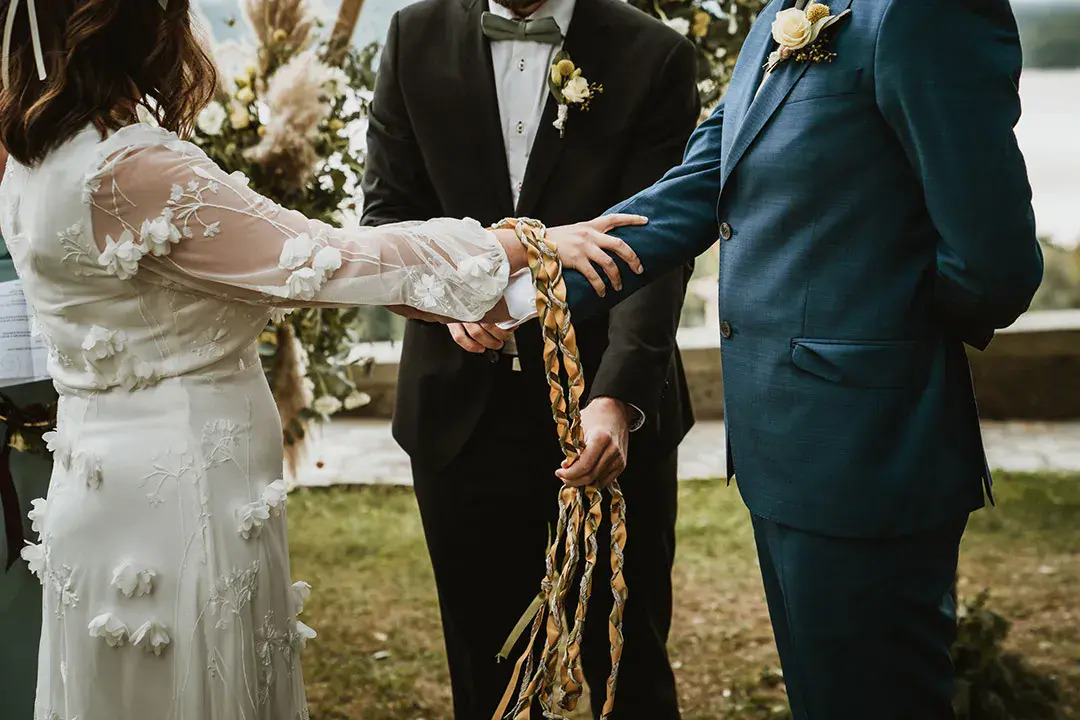
Image Source: https://www.rockmywedding.co.uk/what-handfasting-ceremony
Stefana: Crowning Ceremony in Greece
An orthodox Greek wedding is steeped in symbolism and tradition. One of the most beautiful customs is that of Stefana, the crowning ceremony. The priest places a crown on the bride’s and bridegroom’s heads, each connected to the other by a long white ribbon. Thus, they are declared the king and queen of their homes. The crowning is done three times to symbolise the Holy Trinity, and the newlywed couple take their first steps around the altar, with the priest leading them.
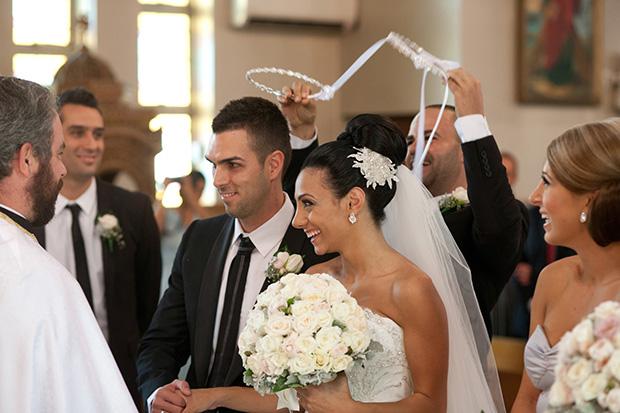
Image Source: https://greekherald.com.au/culture/five-greek-wedding-traditions-meaning-behind-them/
ASIA: A Melange of Tradition And Rituals
India: Saptapadi-The Seven Vows
Most of the Indian weddings involve a lot of elaborate ceremonies and bright festivities. In an Indian wedding, Saptapadi is the most important part of the Hindu marriage. The bride and groom take seven holy steps while circling around a fire with recitation of vows for a successful married life. Every step they take is a promise to each other: nourishing each other and standing up for one another. The holy fire is considered a divine witness representing auspiciousness, chastity and eternity.
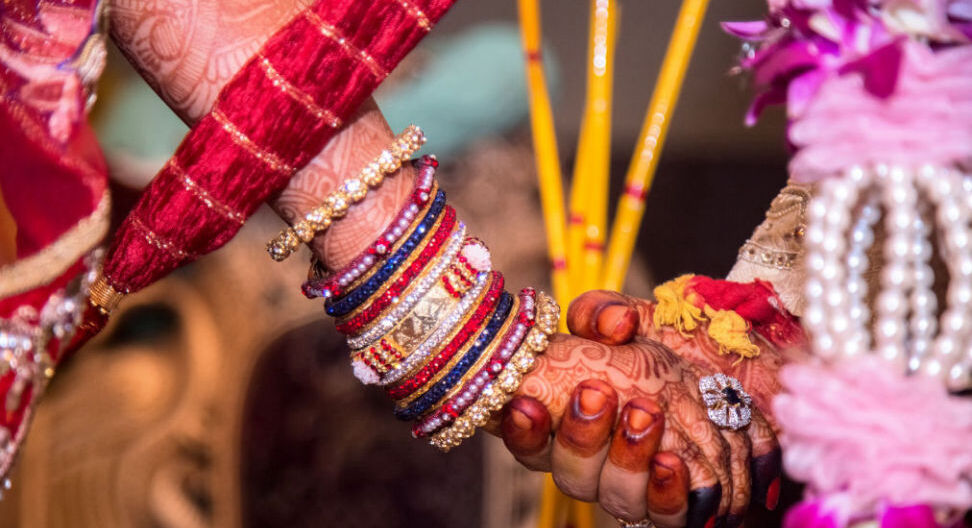
Image Source: https://hindupriestketuljoshi.co.uk/hindu-wedding-saptapadi-seven-vows/
Japan: The Shinto Ritual
Japanese weddings associate Shinto rituals with the purification and binding of the couple. It involves the bride and groom participating in the San-san-kudo sake-sharing ritual. They take turns having three sips each from three cups. The three cups refer to the couple, their parents, and the gods. Hence, this act seals the unification of families and asks for blessings in the harmony of marriage.
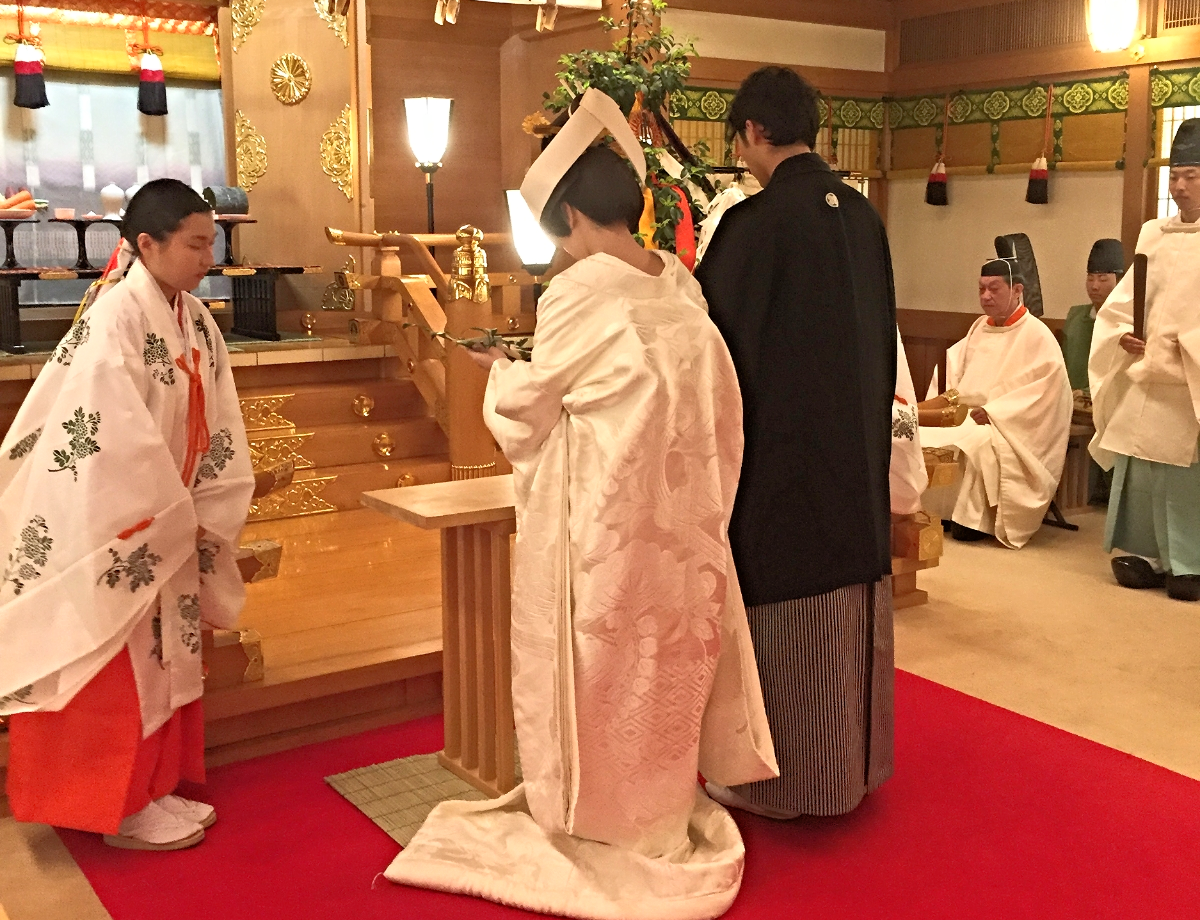
Image Source: https://www.toki.tokyo/blogt/2015/8/17/traditional-japanese-style-weddings
THE AMERICAS: A Blend of Traditions
Mexico: The Lazo Ceremony
This Lazo ceremony, in Mexican weddings, is an emotional tradition that seeks unity and eternal love for the couple. Their shoulders are draped with the figure-eight shape of the lasso in a binding, eternal-join act by godparents. Heaping prayers and blessings, this ritual brings them together. The Lazo ceremony is a beautiful blend of Catholic and indigenous customs, reflecting Mexico’s rich culture.
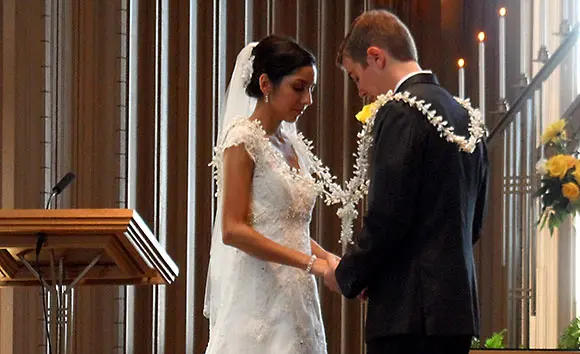
Image Source: https://www.catholicfaithstore.com/daily-bread/getting-lassoed-wedding-history-wedding-lasso-rosary/
United States: Lighting the Unity Candle
This tradition is very common across many weddings in the United States: the unity candle lighting. The bride and the groom hold lit candles and together light a bigger candle placed at the centre. This gesture symbolises that the two lives and families are now united into one. It is a nostalgic moment, usually accompanied by music, personalising the couple’s togetherness.
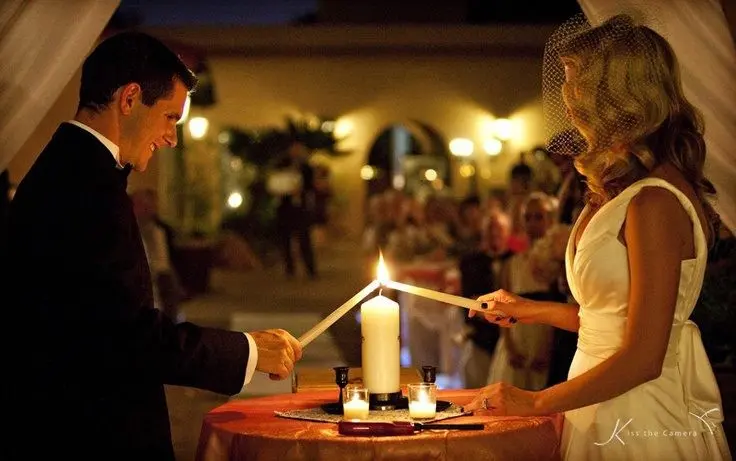
Image Source: https://www.weddingwire.ca/wedding-ideas/what-is-a-unity-candle-ceremony–c811
MIDDLE EAST: Excess and Tradition
Lebanon: The Zaffe
Lebanese weddings are loud and over-the-top; in fact, one of the most expected events of any wedding is the Zaffe. A processional affair that signals the arrival of the groom to meet his bride, it is led by his family while accompanied by traditional music, drumming, dancing, and singing. The Zaffe sets the energy and pace of the wedding celebration.
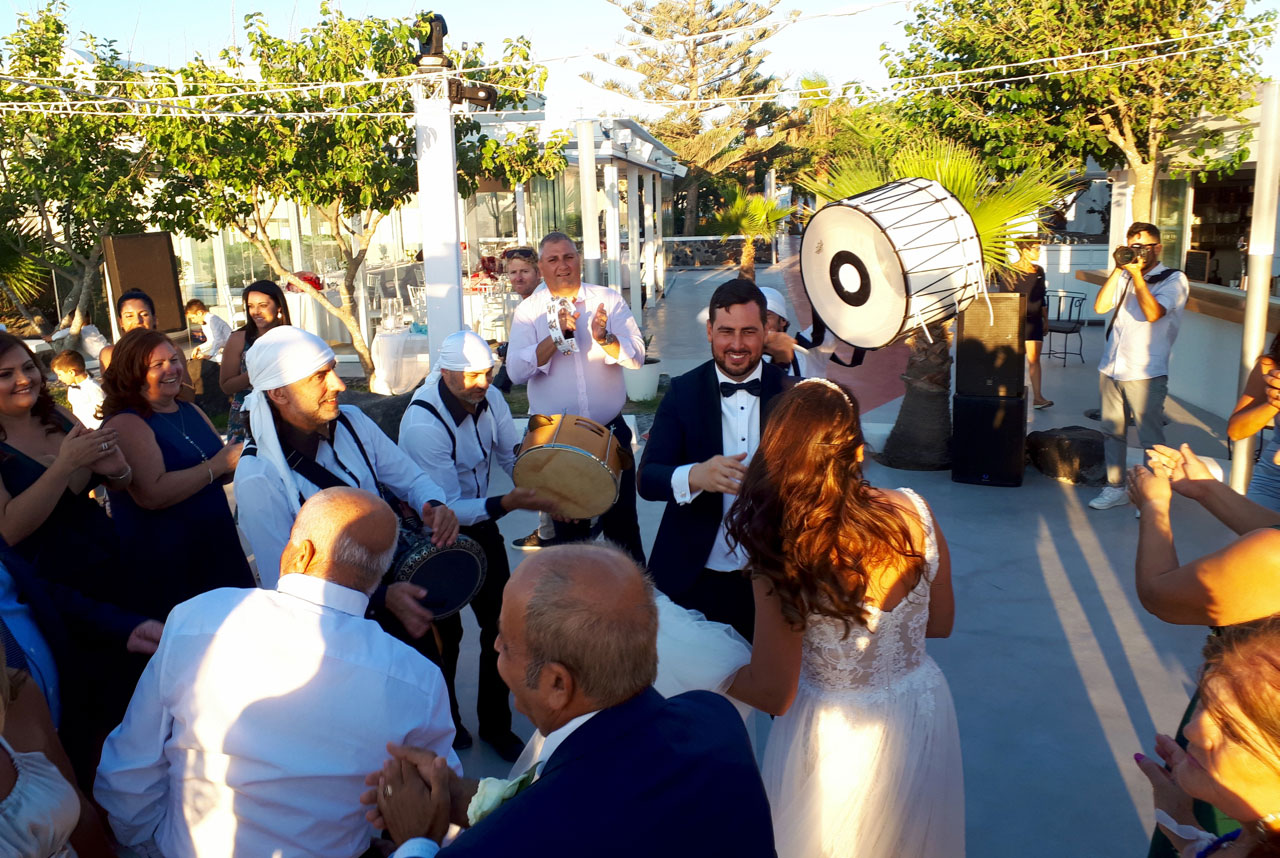
Image Source: https://www.bnwdrums.com/services/zaffe-zaffet-zaffah-zaffa-in-greece/
Iran: The Sofreh Aghd
In Iranian culture, Sofreh Aghd forms the ritual spread at the wedding ceremony. This intricately tabled arrangement represents love, health, and prosperity through a mirror, candles, nuts, and sweets. Seated in front of the Sofreh Aghd are the bride and the groom, who read the vows, exchange rings, and finally share a taste of honey to put sweetness in their marriage—a tradition full of beauty and symbolism.
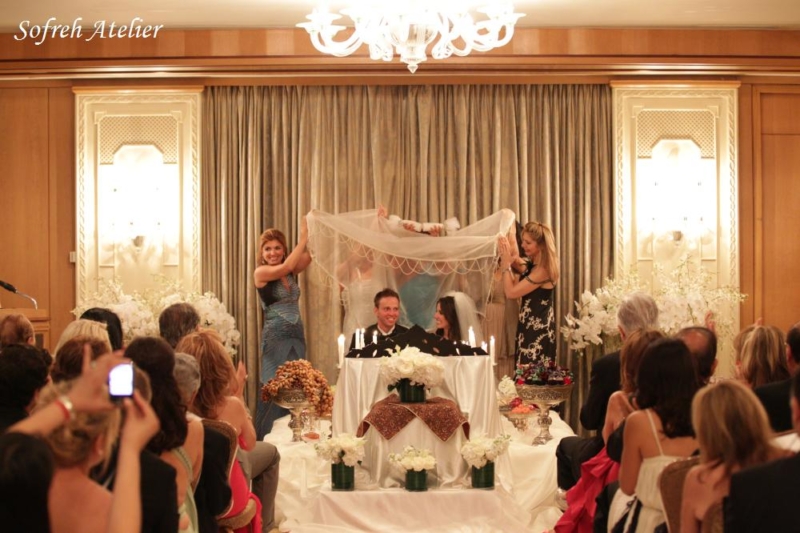
Image Source: https://sofrehatelier.com/the-persian-royal-wedding-of-2011/
OCEANIA: Merry Celebrations
Hawaii: Lei Exchange
In Hawaii, exchanging the lei (a garland made of carnations, kika blossoms, ginger blossoms, jasmine blossoms, and orchids) is an emotional wedding custom in which the bride and groom present each other with leis to show their love and respect for each other. The fragrant flowers or leaves of which the leis are made are part of the tradition of Hawaii because they reflect the beauty and spirit of the Islands. Most of the time, it comes complete with blessings and a kiss. In this simple yet profound way, the couple’s make their commitment toward each other.
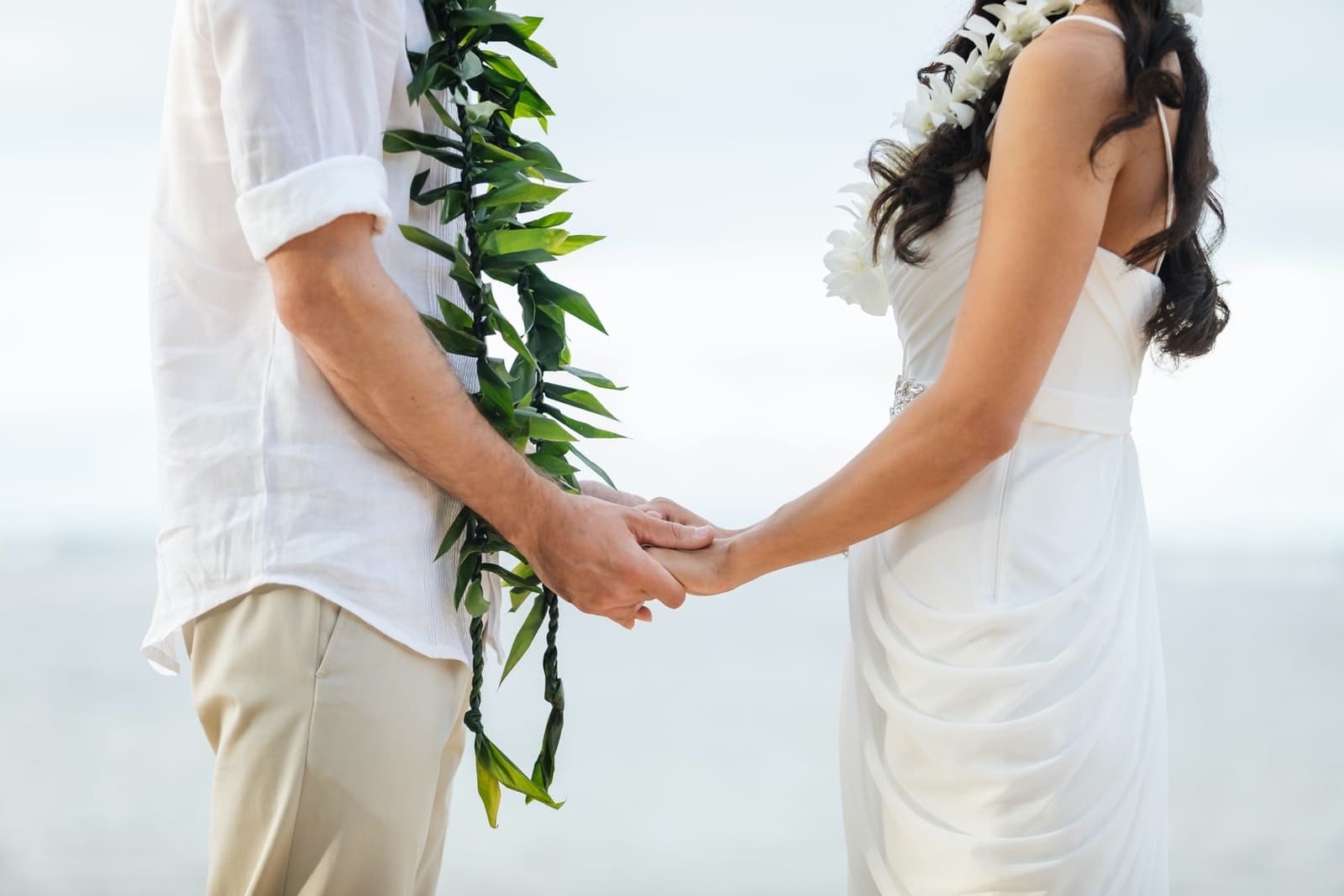
Image Source: https://www.kauaielopements.com/notes/lei-exchange
New Zealand: The Haka
In New Zealand, it is not uncommon for a Maori wedding to include the Haka, a traditional war dance. The groom performs it with his family to emphasise that he and his family are strong, cohesive in their unit, and respectful. This rhythmic chanting and vigorous body action actually pay respect to the bride but simultaneously convey the message that the groom is ready to protect and provide for his new family. It is a poignant and emotional celebration during a wedding.
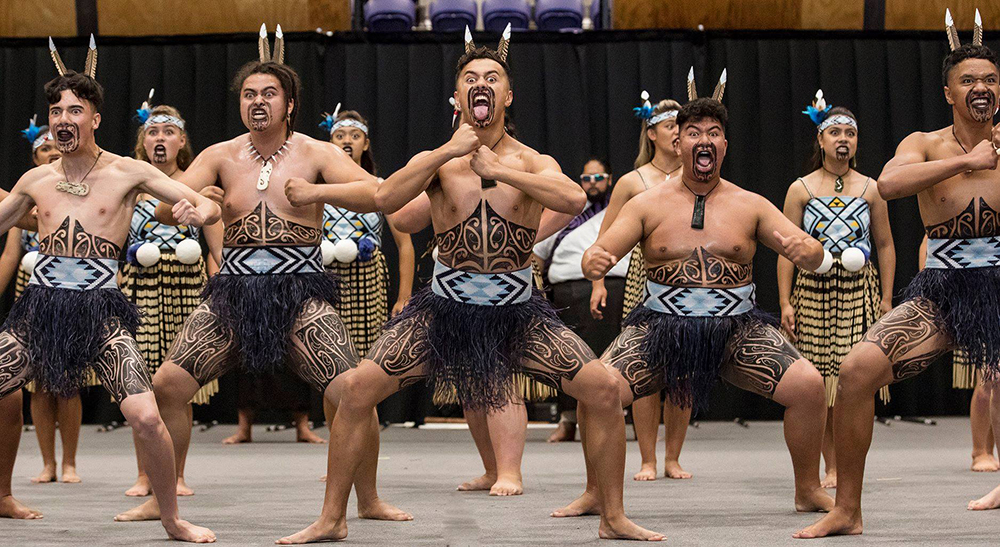
Image Source: https://www.mags.school.nz/kapa-hakas-strongest-showing/
Wedding traditions across the world are an intriguing insight of cultural heritage and values of communities. Every custom, whether steeped in symbolism or indulged in as merriment, offers a different dimension to the universal tale of love and commitment. It is through understanding and appreciation of these different traditions that we can commemorate the beauty of human connection in all its forms. As you plan your own wedding or simply reflect on these rich cultural practices, may you find inspiration and joy in the timeless rituals that bring us together.


