
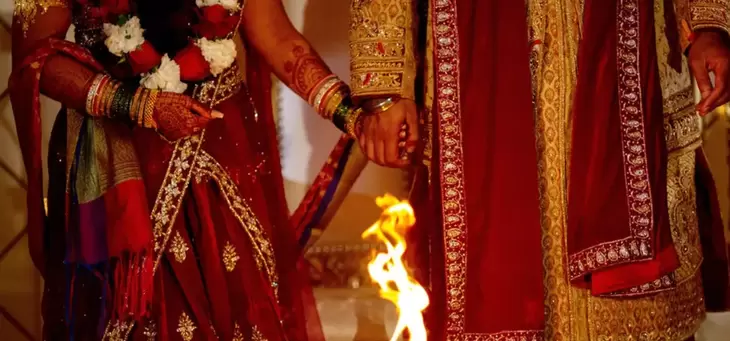
Source- idiva
Formal Vs Informal Wedding
A wedding holds life’s important milestone, a commitment, a promise, a dance of love. Indian weddings add choreography with dance performances that can be elaborate, luxurious and intimate. Moreover, these weddings are popular for its vibrant colours, diverse rituals and flavours, offer two different ways of celebration: formal and informal. Both of the approaches are as different as chalk and cheese, yet offer unique windows of the rich tapestry of Indian Culture.
Wedding dress rental brings the opportunity for the brides to try designer outfits at least once in a lifetime. Some rental stores keep collections from celebrated fashion designers for rental services. What would be the best thing than getting to wear your favourite designer’s piece without losing a big amount? Apart from exclusive pieces, you may embrace the latest fashions, unique patterns, and luxurious fabrics without the hefty price tag.
A Tale Of Two Weddings: Traditional Wedding Vs. Modern Wedding
Let’s explore the tapestry of contrasting the structured elegance of formal weddings with the whirlwind charm of informal ones.
A Formal Wedding: Full of Tradition
Imagine an enormous hall decked up with cascading marigold garlands and intricate rituals, filled with guests just like another scene from a Bollywood movie. This is something close we all imagine when we think about a formal wedding. A celebration that is wrapped up with traditions and every moment is soaked in age-old customs.
A formal wedding in India defines itself as a well-oiled machine, with every ritual, ceremony, and event having its own significance and playing a role of perfection. As we believe, weddings link two different families, two heritages, like a rite of passage. It is more like two people coming together; it’s a merging of families, lineages, and histories.
Rituals at the Heart of It All
Religious and cultural traditions in Indian weddings are the roots of the tradition and have been carried out since the ancient ages. For example, in Hindu weddings, there is more than one ritual, and it spans for several days up to the wedding. In some cultures, it stays even after the wedding, each day brimming with its own charm.
Among the ancient rituals, Kanyadaan is significant, where the bride is handed over to the groom by her father, and from that day, she accepts the responsibilities of a wife. Similarly, ‘Saptapadi’ or ‘phere’ is another ritual where the couple takes seven rounds around the holy fire as the witness of matrimony.
In Muslim weddings, ‘Nikah’ is the contract of marriage where the couple signs in front of witnesses. Meanwhile, in Christian weddings, You may have seen church plays an important role where the couple exchanges their vows under the guidance of a priest.
A formal wedding has proper scripts, an implication from ancient manuscripts. Each of the rituals has a specific time, date, and moment, as well as a specific direction for installing the ‘mandap’. Every ritual follows sequence and there is no room for ‘flying by the seat of your pants’.
The Setting: Grandeur on Display
We find weddings that generally follow the same traditions, including additional rituals, to be formal. Families of the couple plan for grand celebrations with utmost luxury. They arrange a flower arrangements, vast banquet hall, huge wedding decorations, and an army of servers of multicourse meals.
All of these splendors for the guests? But how long is the guest list? It’s as long as a day without bread! A formal wedding often hosts almost 100 guests or more as it includes distant relatives along with close friends and families. Some members may not have regular relations, but they attend weddings, even remote neighbours’ and business associates’ weddings, after all, the more, the merrier!
Formal Style: A Regal Affair
Wedding attire is important for formal nuptials; sometimes, it becomes as serious as the marriage itself. Brides normally wear heavily embellished lehngas or sarees, expensive ornaments representing wealth and passion. As brides are the centre of attraction on their wedding day, they dress up like a queen, sparkling in gold, diamonds, and polki sets from head to toe. The grooms, too, are no less either. They look stunning in an embellished sherwani or royal bandh gala and complete the look with a safa or turban.
It is usual for the couple to switch outfits for different ceremonies. Even on the wedding day, the brides change into two to three attires, and each of them is distant. These reflects both cultural heritage and modern style, while costing a pretty penny.
An Informal Wedding: Where Intimacy Takes Priority
It’s time to turn the page to the informal Indian wedding, which is becoming popular these days. Although the concept has taken place during the pandemic situations, couples are still appreciating to keep their moments intimate and minimal. In other words, a traditional wedding vs. a modern wedding implies that the couple calls the shots and that tradition takes the backseat. Informal weddings are where tradition introduces modernity, offering personalization and creativity with a wink.
If formal weddings are the rich, intricate tapestries of old, informal weddings are the quirky, colorful doodles of today. They’re often less about grandeur and more about ‘quality over quantity’.
Twists come Before Rituals
Informal weddings are more relaxed and intimate rather than grandeur and soaked with rituals. It’s the couple who decides which ceremonies to pick and which ones to skip. Some like to keep a fusion of cultures, a blend of Hindu, Christian, and Muslim that reflects their own beliefs in the wedding.
When it comes to personalization, In Christian weddings, couples take vows that they have written to add a contemporary touch. Meanwhile, in Hindu weddings, couples may decide to have the wedding, reception, and engagement in one day. Even for an informal wedding, when intimacy takes the lead, couples plan for destination weddings as well.
Informal weddings do not endorse any specific time or moment to take place, it is more like fluid-no rush, no intricate tradition to follow. It more focus on having an emotional affair with families and sharing personal anecdotes about the couple.
The Setting: Chic and Modest
A rustic wedding vs glam wedding- what does an informal wedding define most? Themes like beach resorts, rustic farmhouses, and the bride’s own house and backyard are popular choices for informal weddings. Wedding venue that offer personalized and compatible arrangement, are the perfect example for informal wedding decorations.
Informal Fashion: Effortless Grace
Comfort with style is the main moto when it comes to informal weddings. Brides ditch heavy lehengas, and some rent wedding outfits to support reducing carbon footprint. Some brides choose to repeat wedding attire from their mothers; meanwhile, grooms opt for simple kurta and churidar or sherwani
Similarly, jewellery takes a brief turn into minimalism, with brides opting for more delicate pieces like a single statement necklace or a pair of delicate earrings.
The Informal Feast: Minimum Delicacy
Couples here decide on the food at informal weddings, which reflects their personal taste. Rather than sprawling buffets, the menu offers curated menus featuring the couple’s favourite dishes. To add modernity, you may witness food trucks or live barbeque stations with homemade desserts. You might see food trucks, live barbecue stations, or even a small dessert table filled with homemade goodies.
So what are you planning for, a formal wedding or an informal bethorals?


