

Source- Pinterest
Is it mojari or the juttis? Should I wear boots? Being a groom-to-be, you may be concerned about the groom’s accessories, but you can easily confused about how to style.
Among the various splendour aspects of these events, the Safa and mojari mark significant importance, especially for grooms and male attendees. They give a touch of grace and represent the rich legacy of Indian attire. Since this article is all about how to style safas for weddings and the best mojari designs for grooms, you can experiment with your outfits after following the ideas.
Why Safas For Grooms?
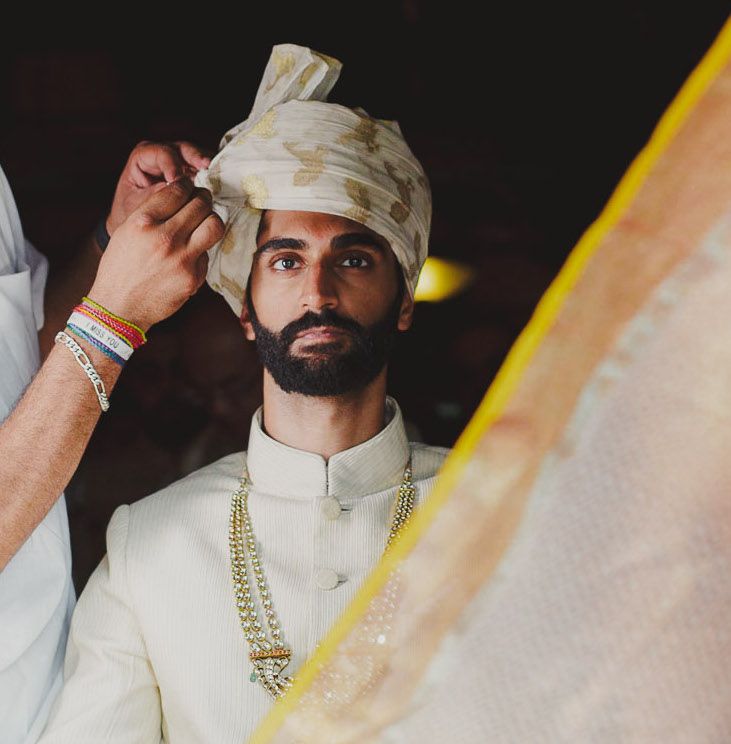
A safe, also known as a pagdi, typically worn by men, is a traditional turban in India. They mainly use it during weddings and unique traditions. It reflects honour, regard, and cultural dignity. There are various fabrics and colours are used for Safas depending on the styles of the regions.
How to style safas for weddings
Source- Pinterest
Fabrics: Fabrics like cotton, silk, or brocade are the best options for safes used at weddings. Due to the royal finish, brocade and silk safas are used as the groom’s accessories.
Colour: Traditionally, red or maroon safas represent prosperity. However, pastel shades are also trending. Depending on the colour of wedding outfits, Grooms choose the contrasting shades of the safas.
Styles: Styling safes may vary regionally. The style of tying a safa can vary regionally. The most standard styles are Rajasthani, Punjabi, and Marwari and each of them adds a special flair to the overall look.
Accessorizing Safas

Source- Pinterest
Accessorizing a turban contains elements to enrich its appearance and complement the groom’s attire. Here are some of the groom’s accessories to consider:
Kalgi or Turban Brooch: An ornamental brooch, Kalgi comes in vast designs and pieces of gemstones, pearls and feathers.
Sarpech: A sarpech is a more detailed and embellished version of kalgi and was often worn by the royals in the past. It features intricate craftsmanship with precious stone patterns. Being an elaborate statement piece, a sarpech will go well with less-designed safas.
Feathers: Feathers, specifically peacocks, are frequently used to decorate sofas. Fathers itself or with other elements can uplift the look. For a tip, confirm that the feather is securely fixed to avoid being misplaced during the event.
Bejewelled Chains: This is another decorative item for safes to wrap around the turban. The Royal people used gold and silver however, other metals too offers a contemporary looks. To add a touch of luxury, you can attach bejeweled chains and match other jewellery pieces to keep a cohesive look.
Why Mojaris For Grooms?
Mojari or jutti is a traditional footwear of Royals in India. However, this is used with traditional attire and occasions. The groom wears a pair of mojari made of leather and often embellished with intricate zaari designs and stones. They provide comfort and style, which are both essential for wearing for a long time.
How To Style Mojaris For A Wedding

Source- Pinterest
Materials: Leather is used as the basic material for Mojari, and some textures like velvet and silk are used.
Designs: The best mojari style for the groom offers from simple to ornate patterns and embellishments featuring embroidery, beads, and sequins.
Colours: On average, traditional colours for mojari are usually in shades of beige and brown; since we are focusing on weddings, there are plenty of colour options available in the market.
Accessorizing Mojari

Source- Pinterest
A pair of mojari involves the Groom’s accessories and designs that elevate their appeal while providing comfort.
Embroidered Patterns
Embroidery gives a touch of polish and is customized to match the outfit. Widespread patterns include floral and geometric designs. Since there are vast of options are available, you can match the embroidery colour of mojari with the details of the safa or sherwani to coordinate.
Beads and Sequins
Gold and silver sequins and beads add gleam and majestic effect to mojari. These are usually used in combination with embroidery for an ornate appearance. To avoid misplacement, secure the embellishments.
Metallic Threads
Using metallic threads or zari in gold and silver embroidery adds a regal touch.
This process is often operated in blend with other decorative pieces.
Comfort Inserts
As we wear them occasionally, check the comfort before you opt for the wedding; from padding to comfortable soles, they give extra comfort. These may not be visible, but they are useful for the wearability of the mojari.
Coordinating Safa and Moja
To create a balanced look, you must involve a skillfull coordination of the mojari and safas with the rest of the attire. Here are some suggestions:
Coordination In Colours
Pick the safe and mojari, either contrasting colours or matching with each other. For example, if you choose a vibrant colour for the safe, opt for neutral shades for the mojari with modest accents in the safa’s colour.
Thematic Texture
Adhere to a theme, whether it’s classic, royal, or modern. This confirms all aspects of the attire combine seamlessly.
Harmony of Embellishments
If one element is magnified, keep the additional subtle to keep balance. For instance, an intricated embroidery mojari pairs pleasingly with a simple safa decorated with a single kalgi.
Details
Subtle details like coordinating the colours of the embroidery on the mojari with the embellishments on the safa, can provide a cohesive and polished look.


