
It is your big day, your heart racing with excitement. The flowers look perfect, the music is great, the tablescapes are laid perfectly, the gourmet looks delectable, everything just the way a couple envision their wedding day. But behind the scenes, who is pulling off all this coherently? Who are they? Are they wedding planners or wedding coordinators? Knowing the difference between the two is imperative to make your wedding a grand success.
Presuming Roles
What is a Wedding Planner?
A wedding planner is the one who brings your wedding ideas and vision to life. From the minutest detail to the most important, they take care of everything from start to finish to make your wedding impeccable.
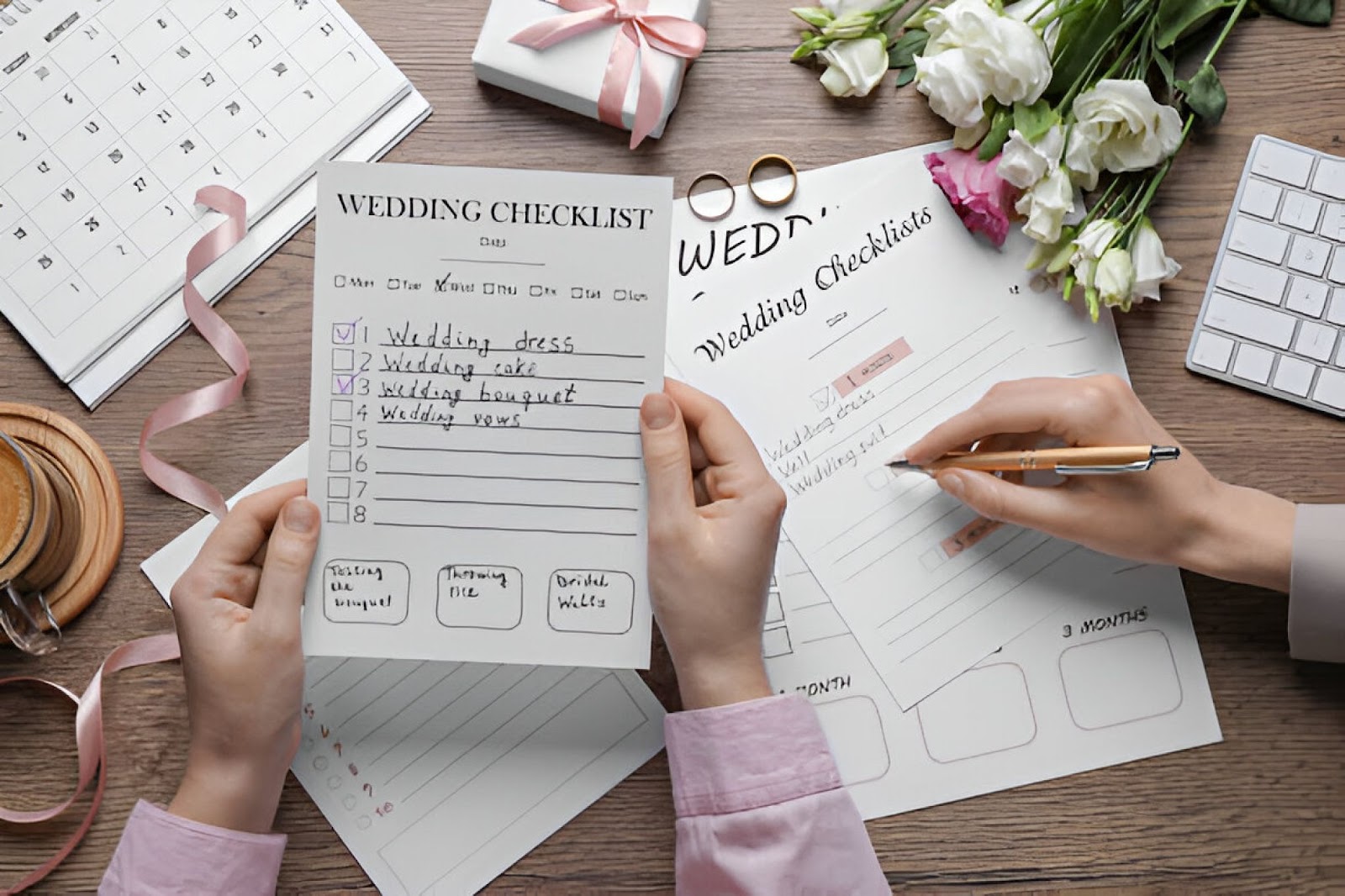
Responsibilities of a Wedding Planner:
- Developing the overall Theme
- Budget Management
- Vendor selection and Negotiation
- Coordination of all wedding-related activities
Skills and Expertise:
- Assertive Organisational Skills
- Astute Creative and Design sense
- Negotiation Skills
- Time Management
What is a Wedding Coordinator?
A wedding coordinator is like the stage manager of a play. They ensure that everything works out according to plan on the wedding day. They are there to oversee that all logistics operate smoothly with no hiccups. If any, they are the ones who troubleshoot.

Responsibilities of a Wedding Coordinator:
- Reviewing and confirming vendor contracts
- Creating a detailed Timeline
- Rehearsal Management
- Coordination Expertise
Skills and Expertise:
- Excellent Communication Skills
- Attention to Detail
- Problem-solving Skills
- Leadership
Actual Distinctions Between Wedding Planner and Wedding Coordinator
Planning vs. Coordination
A wedding planner comes into the picture from the very inception—from conceptualising and designing the Theme to planning all the wedding elements. Contrarily, a wedding coordinator steps into the scene when the wedding date is not far away; their job is to oversee that the whole plan is executed without a hitch.
Inception Time
Wedding planners start working with couples months before the wedding. In contrast, wedding coordinators usually join the gang a few weeks before the wedding.
Level of Involvement
Planners are profoundly concerned with the creative vision, while coordinators deal with logistical details.
When To Hire a Wedding Planner
- Full-Service Planning: Usually, when couples start discussing the wedding ideas, a planner’s support is needed, and the association remains till the wedding day.
- Budgeting: Once you have frozen your wedding budget, the planners take over. They decide how much to spend and where. They employ their network to find and retain vendors who are reliable, negotiating contracts on your behalf.
When to Hire a Wedding Coordinator
- Wedding Day Coordination: If you yourself have handled the planning then the wedding coordinator is there to take care of the wedding day.
- Timeline Management: Wedding coordinators create and manage a detailed timeline, making sure everything is executed according to schedule.
- Vendor Communication: They are the ones who deal with the vendors. They freeze the details with the vendors and handle last-minute changes, if any.
The Positives and Negatives of Hiring a Wedding Planner
Pros
- Full-service planning
- Reduction in stress Level
- Professional expertise
Cons
- More expensive
- Less personally involved in the planning process
The Positives and Negatives of Hiring a Wedding Coordinator
Pros
- More Budget-friendly
- Ensures Smooth day-of execution
- Decreases wedding day stress
Cons
- Little involvement in the planning process
- Less creative control
Cost Comparison
Fees of Wedding Planner: Planners typically take a percentage of the total wedding budget or charge a flat fee for their services. Their services are more comprehensive, and therefore, their services are a bit costlier.
Fees of Wedding Coordinator
Coordinators, on the other hand, charge either a flat fee or an hourly rate. Their time involvement is less, and their services are more specified.
Real-life Case Instances
- Wedding Planned by a Planner: Ritu and Rohan wanted to capture the essence of a bygone era in their wedding celebration. From sourcing out antique decor to the baraat and choreographing a send-off in a vintage car, Riyaz conceived and planned the Theme.
- Wedding Coordinated by a Coordinator: Samaira and Avinash planned their wedding but needed complete coordination on their wedding day. That’s where their coordinator took over, allowing the couple to be carefree and ensure everything was executed smoothly, from the setup at the venue to the vendors.
How to DetermineWhich One is for You
- Planning Needs Assessment: The extent of your planning progress and the requirements for help are important aspects of deciding whether a planner or a coordinator is best for you. If you’re just starting, then a planner is good; if you need coordination on the big day, a coordinator is absolutely perfect.
- Budget Consideration: You need to analyse your budget and assess how much you can afford to spend on planning or coordination services. Planners are more expensive, although they provide more thorough assistance.
- Weighing the Pros versus Cons: Once you’ve weighed the plus and minus points of each, you can make an analytical judgment.
The necessities, budget, and how much involvement is required help in deciding whether a wedding planner is needed or a wedding coordinator. If the wedding is an elaborate affair, say one that of a Bollywood celebrity, then in all probability, both would be required. If the wedding is an intimate affair, then a coordinator would do. But if the wedding has an extensive guest list, then a wedding planner is required.


